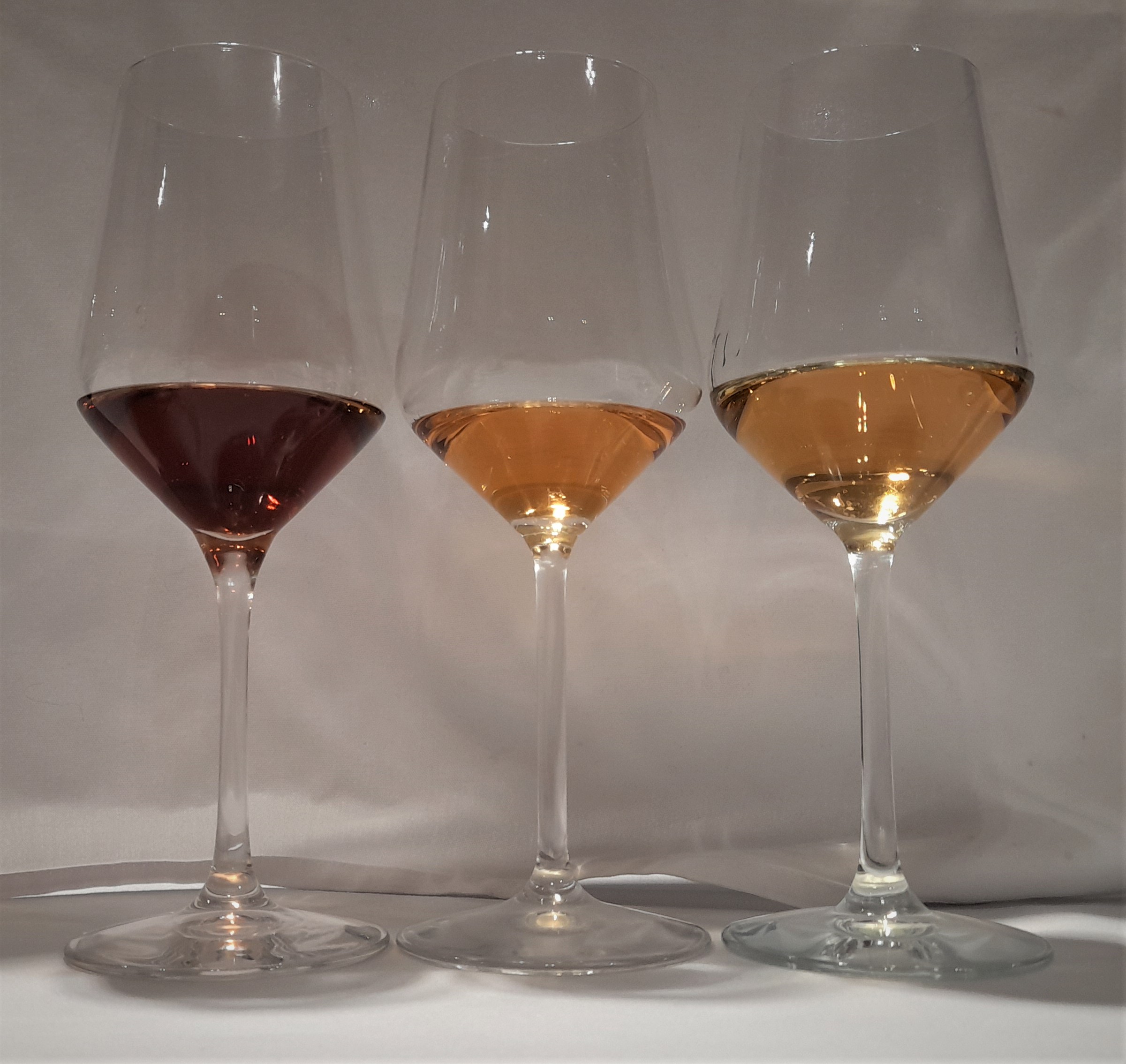
From two recent dinners

1995 Christoffel-berres Erdener Pralat Spatlese Riesling 8%
Mosel, germany

A glowing deep yellow with some amber, indicating age (early 2000s). Cumquat, honey, petroleum, camphor, smoke, high residual sugar, low alcohol. German for sure, Spatlese at least, perhaps Auslese? Palate is luxurious, and beautifully balanced. Revealed as older than my guess. It’s a magic site, and the label is charming.

Drink to 2030, 94 points
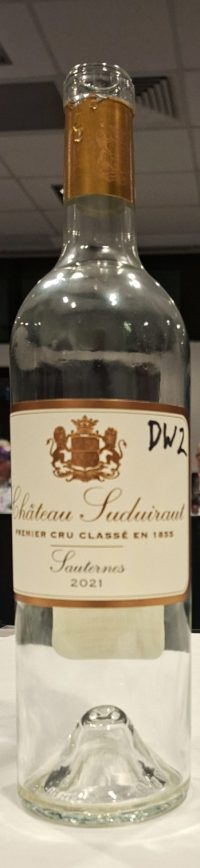
2021 Ch Suduiraut 14%
Sauterne, France

Vanilla, vitality, rich and pure botrytis. Apricot, citrus, quince, with some very attractive green notes in the mix. Palate is opulent, viscous – all quality here and sublime length. But young – 2017? Unveiled, it turns out even younger, already approachable without guilt, but a long life beckons. Very little was made due to a combination of frost and mildew – but this is brilliantly assembled. 100% semillon, 138 g/l rs.

Drink to 2045, 94 points

2004 Stanton and Killeen fortified 18.5%
Rutherglen, Victoria, 8 gold medals and 4 silvers
30% shiraz, 21% touriga, 19% Durif, 10 tinta cao, 10%tinta roriz, 10%tinta barocca

It seems I reviewed this wine in 2018. Tonight, the cork has done its duty;  the wine is densely coloured with just some trivial ruby bricking on the meniscus; it’s thriving with dark cherry, raspberry, blueberry and sweet spices; it’s soft, civilized, and balanced with a mix of sweet and savoury; talcy tannins, fine spirit and fruitcake spices now with plum and blackberry joining in – combining very satisfactorily. And there’s no rush.

Drink to 2034; 93 points
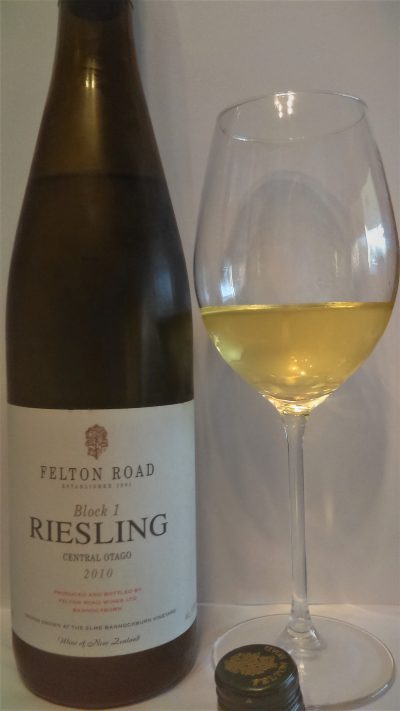
Two with same vintage and many differences

2010 Felton road Riesling Block 1, 9%
Central Otago, New Zealand

Screwcap. Light gold colour, red apple, sweet spices, marzipan, honey and citrus; the palate adds some exotic tropical notes, and has the drive and acidity to support the 64 g/l residual sugar. I suspect it’s drying out a bit with development, so drink up – and what an enthralling match for a tea cake or fruit platter. (Notes are similar to those I made in 2020)

Drink nowish, and 91 points

2010 Ch Suduiraut 14%
Sauternes

Clear bright light gold colour, viscous and rich but the acidity can’t hide the richness bursting through; white peach, honey, almond meal and vanilla bean; palate is syrupy with just enough acid to keep the orange marmalade singing. Marvellous, rewarding drinking. (90% Semillon, 10% sav blanc, 145 g/l rs)

Drink to 2032 (but its ready for me) and 94 points

Three blind beauties


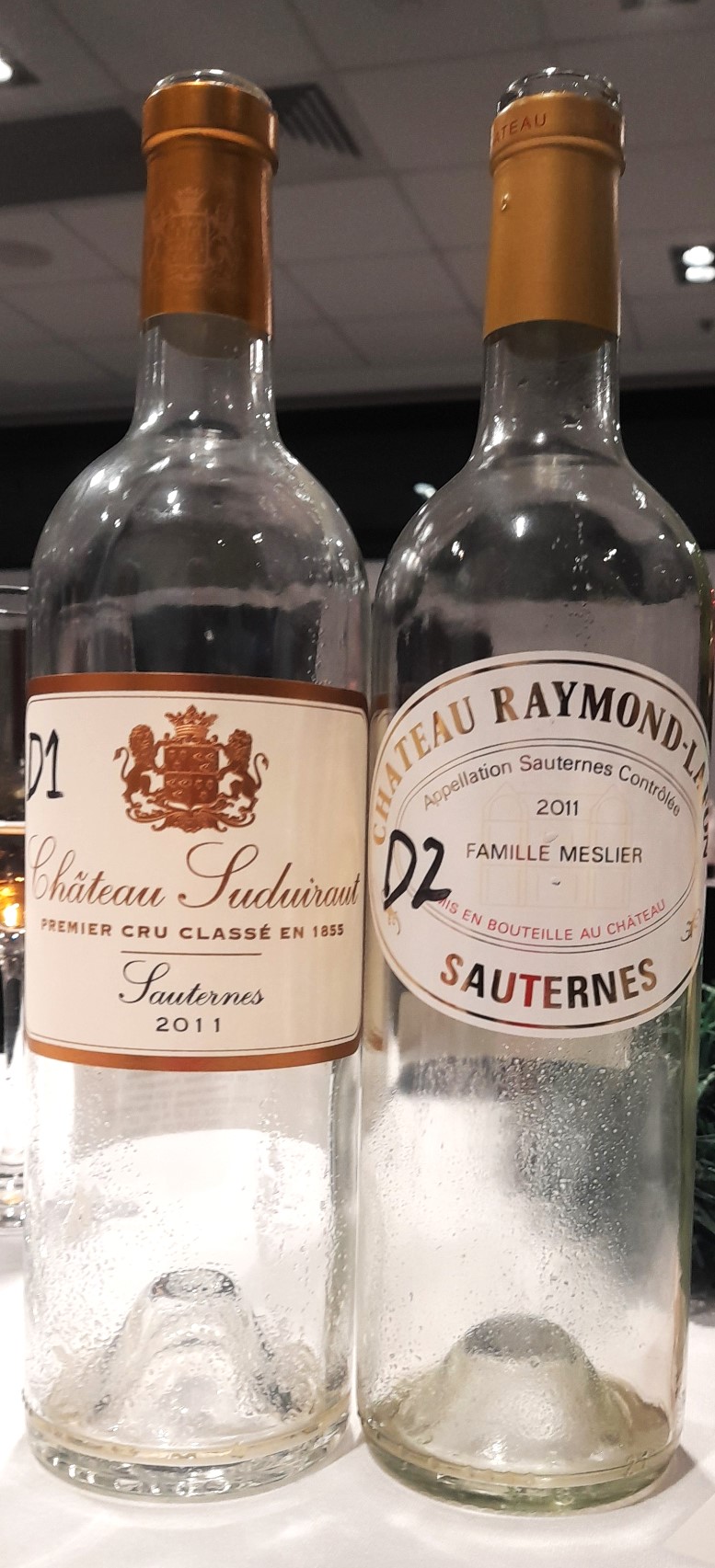
2011 sauternes pair

2011 Chateau Suduiraut 13.5%
2011 Chateau Raymond-Lafon 13.5%

This pair was served blind; and I was called on to describe and assess (towards the end of a terrific EOY dinner). Both were a healthy bright gold colour, and the apricot and vanilla notes instantly took me to Sauternes.

The first wine (Suduiraut) displayed just-ripe apricot, quince, dusty botrytis with terrific presence and drama; and a touch of floor polish. Lots of vanilla on the palate, honey, ginger, and abundant fruit power from a ripe year. Very sweet (138 g/l), but balanced. (93% semillon,  7% sav blanc).
Drink to 2035, 93 points.

The second wine (Raymond-lafon) had a slightly less developed colour, with greater tropical and pineapple notes. This wine had the magic combo of florals, citrus and balance (149 g/l rs); delightfully fresh and authentic. Pressed, I went for Barsac on this one – likely Ch Coutet – I was wrong but what a nice surprise!
Drink to 2038, 94 points

2007 quinta do vale meao

2007 Quinta do Vale meao 19.5%
Portugal. Also served blind, this was a vivid deep color. Blueberry, violets, dark cherry, elegant and with vivacity. Plus a producer I don’t recall trying. Portuguese for sure, early 2000s. But hard to concentrate at the end of a long night! Quality with aplomb.
Drink to 2034 . 92 points.

Catch-up on recent drinks

2007 knebel spatlese

2007 Knebel winninger Rottgen Riesling Spatlese 11%
Mosel; 47 g/l residual sugar; gold colour honey.

Wax, apple and the surprising blackcurrant. Palate is still lively with sweetness ameliorated by acidy; palate is all about mixed apple and stonefruit (yellow peach and apricot); chewy, varietal and authentic.

Has seen better days however; drink up 90 points

2015 sauternes pair

2015 Ch Doisy-vedrines 13%
Sauternes 80% semillon, 15% sav blanc, 5% muscadelle

Light bright colour, light-weight aromatics of slightly green pineapple, vanilla bean icing sugar and preserved lemon. Palate shows almond meal, citrus nectarine. Ligher style than the next wine, but balanced and authentic. Ready for business, and will be consumed with great pleasure.

Drink to 2030, 92 points

2015 Ch Suduiraut 14%
Sauternes; 94% semillon, 6% sav blanc; 18 months in oak (50% new, 50% one year old) 138 g/l residual.

Served masked- I last tasted this wine around a year ago, and my notes are thankfully similar. Sauternes with a deeper colour than the wine above; crème brulee, quality oak, ginger spices, botrytis dustiness, light floor-polish VA present but under control; great density and integration. Cumquat and vanilla, liveliness, texture and persistence. Very decadent and pleasurable. Around ten years old?

Drink to 2037, 95 points

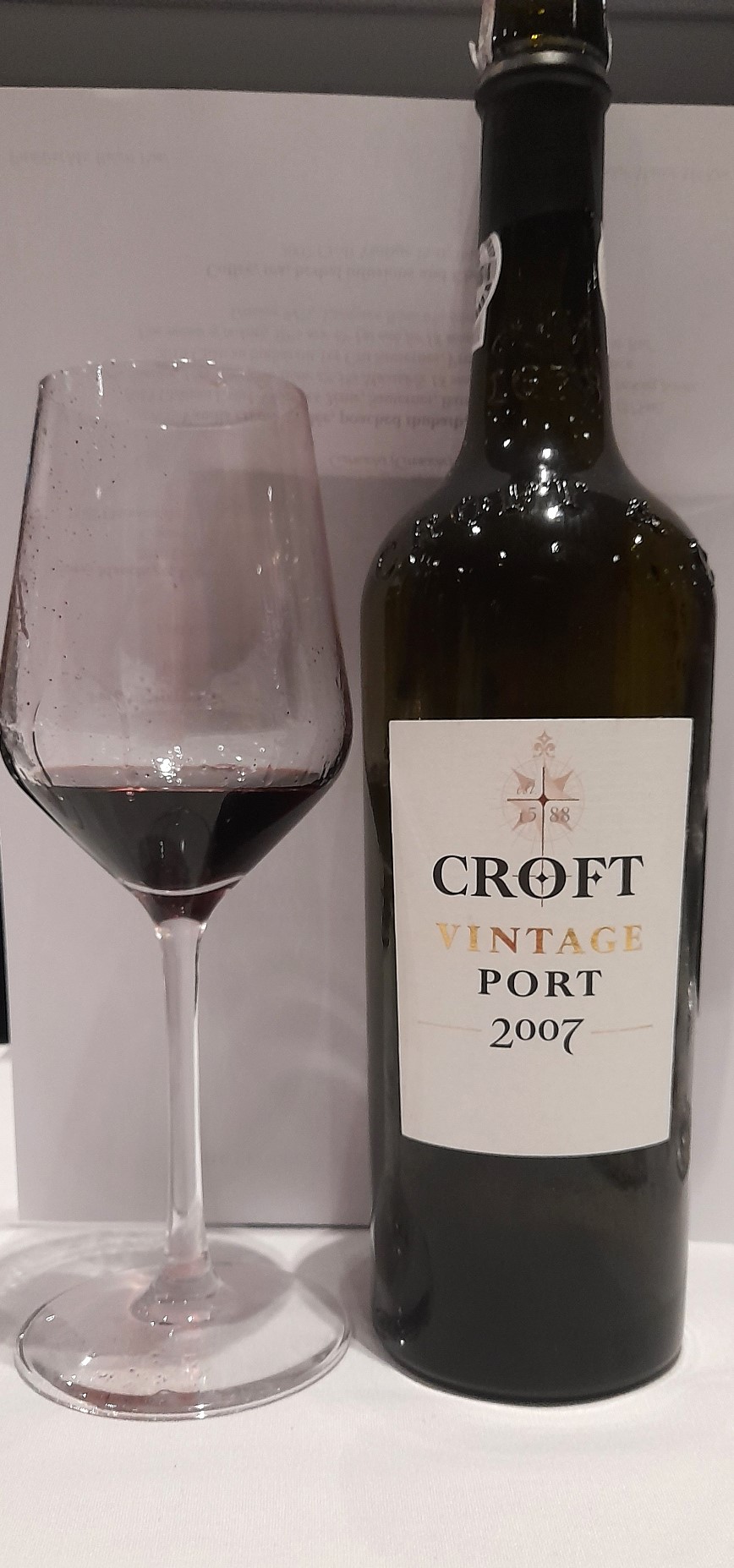
2007 croft vp

2007 Crofts Vintage Port 20%
Portugal

Served masked – Deep red colour with camphor, cherry and blackberry plus floral headsy spirit. Dense, with dark fruits, small berries and cocoa. Portuguese varieties for sure; and the spirit leans me to Portugal, BUT there;s not the drive, complexity or tannin for its suspected age (my guess was early 2000s). So, Australian. When revealed, this was quite a disappointing result for a  respectable VP vintage (and the other bottle I tried was similar).

Drink to 2030, 89 points

NV Morris Old premium “rare” Muscat 17%
Rutherglen.

Served masked. Luminnous dark, and very dense colour. Raisin, orange peel, roses, toffee, bitter chocolate. High-quality neutral spirit, It’s a meal in a half a glass if you are greedy. Concentrated raisins, and dried fruits with spices. It sits on the palate and the flavours dwell for ages. Not just about using old material, as the style needs the masterful touch of freshness too. Around 350 g/l residual sugar, but the acidity absolutely obliterates any cloying.

This wine is world class, and continues to be a bargain (a meagre $120 for a 500ml bottle, that will last for weeks if – unlike me – you have the will power to resist).

Drink now, 96 points

Three masked Euro wines from a dinner

2015 Ch Suduiraut 14%
Sauternes – 94% semillon, 6% sav blanc. Picked in 5 batches, matured for eighteen months in 50% new and 50% one-year old oak, 138g/l residual sugar.

Bright yellow colour, vivid tropical fruits – pineapple, mango, cumquat. Slinky texture with oak sunk into the background, and spices. Fresh, and welcoming, but more pleasure awaits

Drink to 2035, 94 points

2015 Ch Rayne Vigneau 13.5%
Sauternes – 74% semillon, 24% sav blanc, 2% muscadelle

Deep yellow/gold colour; dark honey and citrus, and botrytis dustiness; viscous, intense palate – ripe, rich and ready with a touch of orange/tangelo. I can’t recall trying a wine from this producer before.

Drink to 2030, 91 points

2001 Fonseca quinta do Panascal Vintage Port 20%
Portugal.

Not a generally declared vintage, but this is a very good site – and single quinta wines can often offer exceptional QPR. Deep red colour, showing blueberry, blackberry, “putty”, mocha and nuttiness. Vibrant and rich mouthfeel. Clearly Portuguese, and around 15-20 years old, I wavered between VP and LBVP. My notes thankfully very similar to my previous tasting on June 2021.

Drink to 2033, and 92 points

Very mixed masked sweets

sweeties april 2023vitsoc april 2023

1976 Deinhard Winkeler Hasensprung Riesling Auslese
Rheingau.

At first sight, there didn’t seem much hope of drinking pleasure (it looked like an old fortified). But it smelled like a Gewurztraminer, laden with spices, honey, apples and a touch of cork (not taint, just age). The palate was very sweet, enough to move its origin to Germany, but age a puzzle. It tasted grapey and reminiscent of muscat of Alexandria. Thus the clues mounted. German Riesling, perhaps Auslese back in 80’s? 70s? When unmasked, surprises all around. Past its best for sure, but a drinkable survivor.

Drink now 87 points (and higher if history guides you – up to 90 points)

2005 Tertre de lys d’Or Cuvee d’exception
Sauternes. Diam!

Darker colour compared to the next masked wine. Lemon meringue, vanilla pod, charry oak. Palate showed lemon and marmalade, but much lighter and straightforward than anticipated. Sauternes or Barsac for sure.

Drink now, 85 points

2014 Chateau Suduiraut 13.8%
Sauternes. 95% semillon, 5% sav blanc 150 g/l residual sugar
18/12 months oak, (50% new, 50% one y/o)

Lighter colour than its paired wine; has thrilling nettly/green pineapple and much greater impact overall. Palate is a much more viscous and sweeter with more overt oak impact. This is all class, and one to revel in. Ripe year – 2009? 2014? Botrytis and bursting with stonefruit and spices. Super freshness, length and hedonism already in an immaculate package, but will reward the patient.

Drink to 2035, 95 points now, and more to come.

Recent impressions and snippets

2009 Ch Suduiraut Lions de suduiraut
From Sauternes, Bright pale lemon colour, tropical fruit salad, with lime and orange blossom; palate displaying greater apricot and some toffee. Light oak at finish and some honeycomb.  I haven’t seen this label before, but it seems like a second label, and intentionally an earlier drinking style – potentially from younger vines or from lesser graded barrels. 2009 was a rich and successful year for Sauternes, and this wine was a stimulating surprise.

Likely to be excellent value, drink to 2025 and 90 points

2008 Ch Lafaurie-Peyraguey
Also from Sauternes, this wine was a deeper light bronze colour. This wine was made with attitude- the fruit had more intensity, and much greater oak impact- conveying a complex wine of spices and vanilla. 2008 is regarded as a lesser vintage than 2009.  Unfortunately, the dark honey bouquet was accompanied by some varnish and fly-tox notes. Although this distraction declined with breathing, it still remained, rendering the wine unsound for me (two bottles tried with similar results), although other tasters were more complimentary. The palate had a furrier, more complex marmalade and mineral texture. Winemakers at the tasting suggested aspergillus (an undesirable fungus) was present along with the botrytis. This is a wine to divide opinion, with the grubbiness battling power.

Not rated.

1975 Baileys (Bundarra) Vintage Port
Glenrowan Victoria. Previously tasted in Nov 2015.

This was a canny auction purchase from 2019 with the level at the base of the neck. The cork was meagre, but had performed its duty faithfully over the intervening 45 years!

Still owning a dense bricky colour, the wine was replete with liquorice, mocha and some rose-petal. The palate was sweet but vibrant- iron tonic, blackberry, coffee, milk chocolate and lush mouthfeel. Another tribute to the late Harry Tinson’s winemaking prowess. Old-fashioned, but frighteningly enjoyable.

From a very good season, drink to 2030, 91 points.

Two (young) Sauternes from 2014

2014 sauternes

Served blind (as usual), it’s always a useful, and challenging exercise to predict the future of young wines, especially with this style where acidity, sweetness, oak, and botrytis clamour for attention. The usual balance, length and complexity assessment follows, as does the hoped-for appearance of an “x factor”- some compelling attribute that delights the senses and intellect.

2014 Ch La Tour Blanche 14%
This wine was pale in colour, displaying rich tropical fruits (especially just-ripe pineapple), a fresh, ripe, rich, bright palate bursting with citrus and stonefruits; botrytis makes its presence felt, and supportive, creamy spicy oak oak made this supple fresh wine easy to drink, but with effortless potential (82% Semillon, 12% Sav blanc, 5% Muscadelle, 130 g/l residual sugar; from the Bommes area within Sauternes). Ch La Tour Blanche has excellent QPR and I have four vintages represented in my cellar.

To 2035 and 93 points – and potential for a higher score in the future

2014 Ch Suduiraut 14%
This wine had a deeper colour, but was still a bright light gold. Here the aromas were more oak-derived, with marzipan, and a very pleasant coconut/sunscreen oil riding along with citrus and yellow peach (90% Semillon, 10% sauv blanc, 150 g/l residual sugar; from Preignac within Sauternes). This wine had greater density, richness and mouthfeel than the wine above, but will be a fascinating exercise to watch these in the coming years – or decades. Ch Suduiraut is sparse in my cellar, but now on the radar for some backfilling!

Drink to 2040, and 94 points – with potential for improvement.

What a triumph to see two quite different, very youthful, delicious expressions of Sauternes wines from estates a mere 4 kilometres apart, but subject to the botrytis vagaries of fogs on the gentle hollows, the different varietal composition, staggered picking times, and the varied winemaking inputs.

Sauternes, again

In recent weeks, I’ve enjoyed 3 excellent sauternes from different vintages – from full-sized bottles.

The underlying question is “what is the right age to drink sauternes?”. There must be some allowance made for half vs full bottle size, producer and vintage, but is there even a rule of thumb?

Certainly we would aim to avoid immature wines, wines that are nowhere near their optimum; similarly we want to avoid drinking relics, whose best times are well past.

I want to see interplay of fruit flavours and development, with the desirable attributes of balance, length, concentration and a sense of place.

Sauternes have the ability to mature for a long time; their regime of high alcohol, medium sugar – say 120 to 150 g/l, low acid contrast to say a Mosel Riesling equivalent BA with its low alcohol and high acid; but both contain the stuffing to ensure a long life – cork permitting.

So 3 different vintages with ratings and general comments from Wine Spectator Sauternes vintage chart

1995 87, drink- sweet and balanced, uneven quality

1998 88, drink- elegant, refined and delicious

2005 93, hold- opulent and structured with underlying finesse

vitsoc feb 2016

1995 Ch Suduiraut 13%

90% Semillon, 10% sauvignon blanc in Preignac. Amber/gold colour, but alive with pear, apricot, marmalade and vanilla bean. Fully ready, and its churlish to mention how a 21- year-old wine needs a touch more acidity to provide better refreshment, and an even higher score; being tasted next to the de Fargues did it no favours, but in its own right – no problem!

Drink now-2020; 93 points

1998 Ch de Fargues 13.5%

Owned by the de Lur Saluces family, the wine (80% semillon, 20% sauvignon blanc) is from a highly regarded property -whose wines I have not previously tried- made in the same fanatical and meticulously low yielding methods as Ch D’Yquem. Lighter in colour than the Suduiraut, this wine is a stunner, very ripe and sweet with a lime-juice and guava palate, refreshing acidity and the finest ultra-silky palate.

Drink to 2025, 96 points

2005 ch la tour blanche

2005 Ch La Tour blanche 14%

Approx 80% Semillon, 15% sauvignon blanc, 5% muscadelle, from Bommes. Gold/Amber colour, barley sugar, vanilla, citrus and poached pear. Ripe, with grippy balanced phenolics. Almond meal, and some complex tropical fruit reverberate on a long creamy palate. Fantastic fresh wine, with buckets of time ahead.

Drink to 2025, 95 points

High scores, and these wines often come up at auction with prices that are – relatively speaking, value for money (the 1995 Suduiraut and the 2005 La Tour Blanche for under $100). And my conclusion for optimum decadent drinking? From lesser years, 10-15 years; from best years 15-20 years, with numerous exceptions.