The Rutherglen quality classifications run upwards through Rutherglen, Classic, Grand and Rare. So what lies beyond? Museum? Icon? Antique?
Brown muscat (muscat a petits grains rouge), picked very ripe, fortified with neutral spirirt, then barrel aged for as long as necessary; slowly oxidising and becoming more concentrated; freshened up with younger material from time to time. Simple? By no means, as the wines are then usually blended, which is an entire mystic art. Each year, the winemaker makes decisions about the presumed destiny (quality level) of batches, conducts blending trials, samples spirits, and much more.
I once asked a Rutherglen winemaker the secret to making decent fortifieds of this style “Start at least 20 years ago…then take your time”.
Vintage muscats are uncommon; Morris released versions from 1982, 1986 and 1988 when aged about 5 years; but this example has been aged 30 years! Morris possesses older materials, eked out into blends where a splash makes a world of difference. A good introduction to the classification of Rutherglen muscat is here.
And a recent, lively and informative article by Sean Mitchell on Rutherglen muscats complete with reviews on wines from multiple producers at the different classification levels is here.
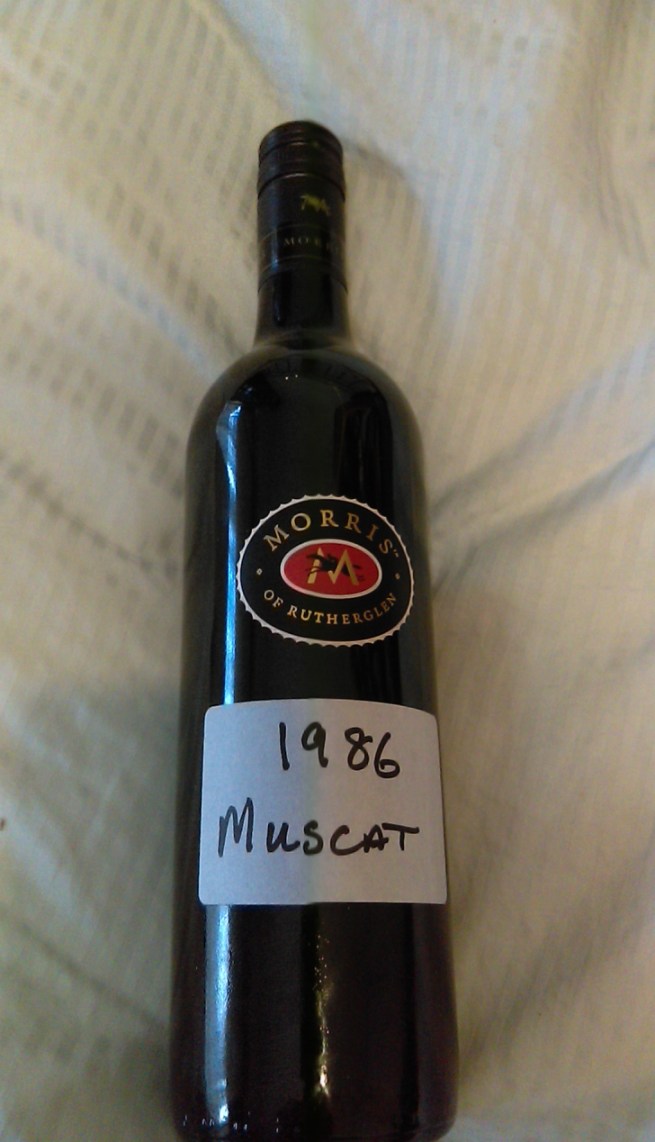
Firstly this “money can’t buy” wine requires some coaxing before it weasels out of the bottle.
The colour is a black hole – a dark, dense caramel, and we’re truly into non-wine territory. How can gradual oxidation and concentration make this dense, but still fresh fortified wine? We have concentrated mocha, there is condensed raisin, dried fig, walnut, and a slight sense of coconut oil. The texture is extraordinary – rich and luscious are puny understatements. The (neutral) spirit is fully integrated, just one of the wine’s facets.
It’s an experience to swallow, and then wait minutes to for the flavours to subside. The freshness however insists that further indulgence is necessary. By no means painful, describing this wine is akin to bowling to Bradman in his prime- intimidating. The glass is stained with residue. Remarkable.
Drink now, and 98 points.
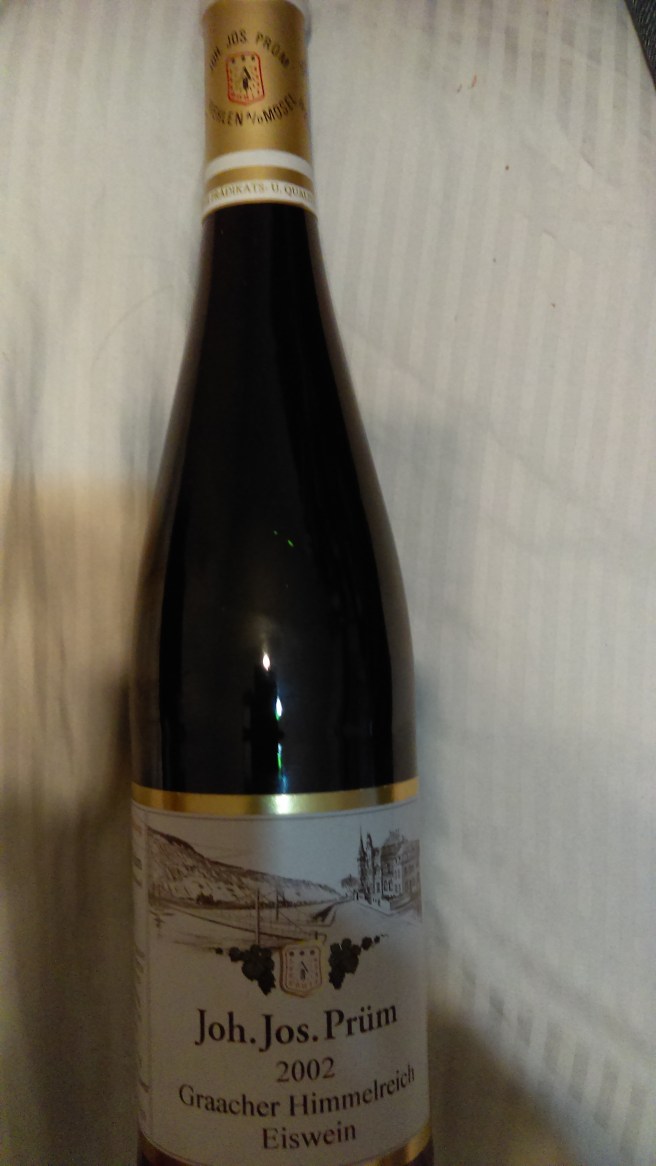
 This wine is a lovely golden-coloured example of the late-picked style, displaying the typically charming, exotic grapey aromas of musk, Turkish delight and roses. The palate is moderately sweet, but definitely is a rich juicy mandarine-flavoured style with the acidity preventing any sensation of cloying. Slightly oily, and faintly chalky, this wine has been caught in its prime, and it’s well suited as an unusual aperitif, or matched to a light dessert, or certain cheeses.
 sweetworldwines