Drinking in Europe 2

Another batch of wines that we had purchased years ago, and retrieved from a relative in Germany. A further nine bottles made it back to Melbourne!

2012 grunhaus spatlese

2012 Von Schubert Maximin Grunhaus Herrenberg Riesling spätlese AP#22 7.5%
Mosel

Harmless tartrate crystals on cork (and in bottle), Light gold colour; melon, mandarine, gooseberry and earth. Seems relatively dry, but the fruit flavours shine, Drink sooner rather than later! Label is love or hate.

Drink to 2028, 91 points

2013 Selbach-Oster Zeltinger Schlossberg spätlese feinherb “Ur” alte reben AP#30 12.5%
Mosel.

Two bottles opened, (the first was decidedly flat) with notes on the second. This is a from a distinguished patch of old vines within the vineyard. Guessed at around 15g/l residual sugar.
Cinnamon honeydew melon, candlewax. It flows gloriously across the palate; racy, silken, with rampant brown spices and detailed texture. Not to everyone’s taste on the night, and I suspect there are better bottles.

Drink to 2034, and 93 points

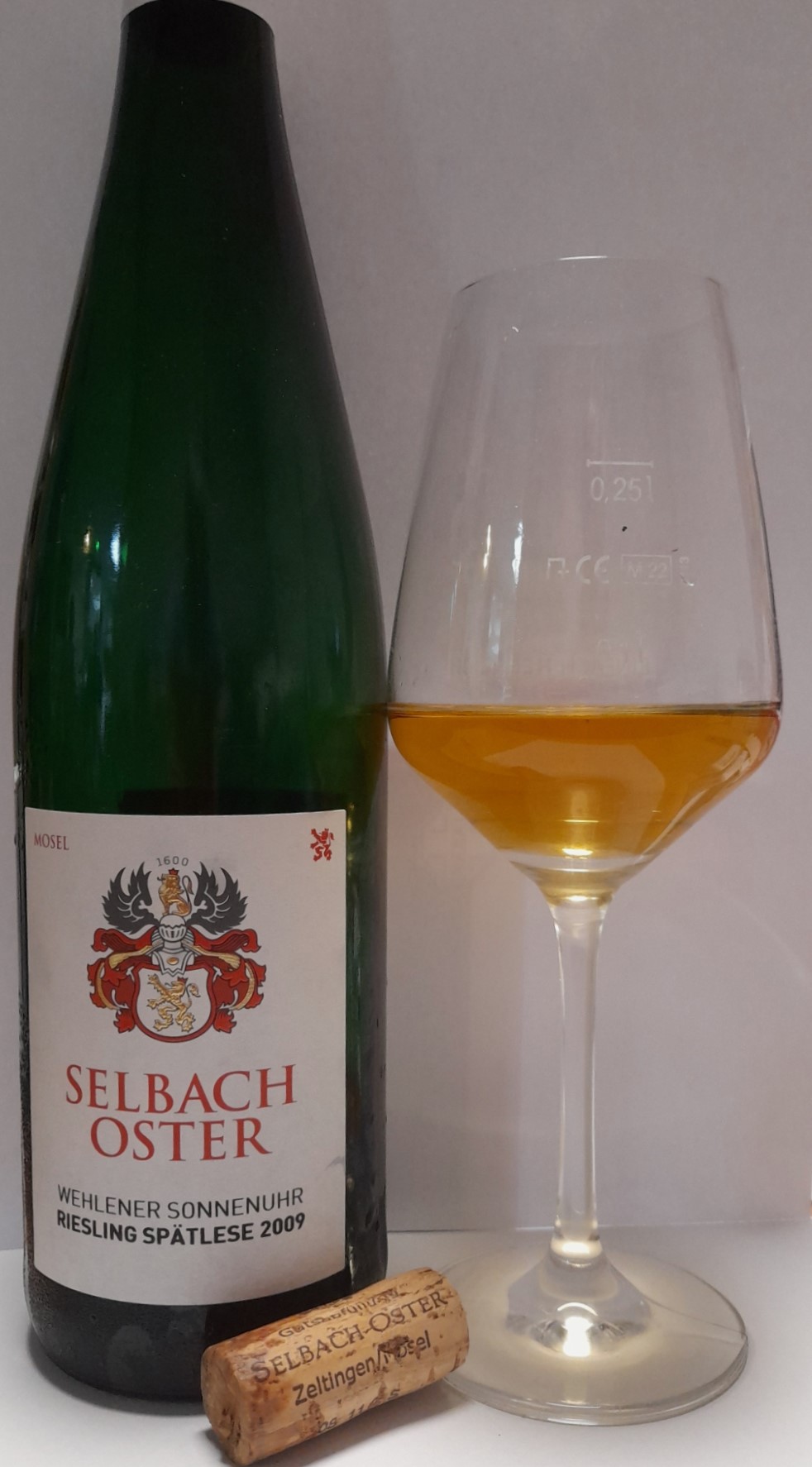
2009 selbach ws spatlese

2009 Selbach-Oster Wehlener Sonnenuhr Riesling Spatlese AP#33 8.5%
Mosel

Light gold colour; tangerine and petroleum, candlewax, white flowers, white peach, stewed apple, and spices – the whole kitbag. Silky texture with red apple and baking spices in the mix, crisp, refreshing. 70 g/l residual sugar? Can it really get any better?

Drink to 2030, and 92 points

2008 molitor ws spatlese

2008 Markus Molitor wehlener Sonneuhr Riesling spätlese AP#18 8%
Mosel and a golden capsule,

Light bright gold colour. Intense honey, guava, apricot, spices and minerals. Lip-smacking palate, with apple pie, nectarine and raciness. This looks in winning form, but my preference is to drink up while its magic rewards the drinker.

Drink to 2032, 93 points.

Drinking in Europe 1

I have been in Europe on holidays, not visiting any wineries, and quality drinks have been hard to find, and harder to drink given that daily temperatures seem to be in the mid-thirties (Celsius) and humid too.

2018 Oremus Late-harvest 11.5%
Tokaj, Hungary from  Furmint, Hárslevelü, Zéta and Sárgamuskotály, mixed botrytis and ripe grapes, oak fermented. Details.
Pale gold colour with a greenish tint. Honeysuckle, nettle, jasmine, gooseberry, quince, light honey. Viscous, with tropical and pear notes. Clean, youthful, lingering, balanced, and very good. And of course sweet. My guess was 80g/l, but winery notes state 111 g/l.

Drink to 2030, 90 points

2012 molitor et auslese

2012 Markus Molitor Erdener Treppchen Riesling Auslese ** AP#37 7.5%
Mosel, Gold capsule, with the ** indicating something extra in its ripeness category.
Glowing buttercup yellow/gold colour; white honey, lime, herbs with a dash of spice, ripe red apple and pear. Very good concentration, balanced acidity, and some harmless bitterness at the finish.

Drink to 2032, 92 points

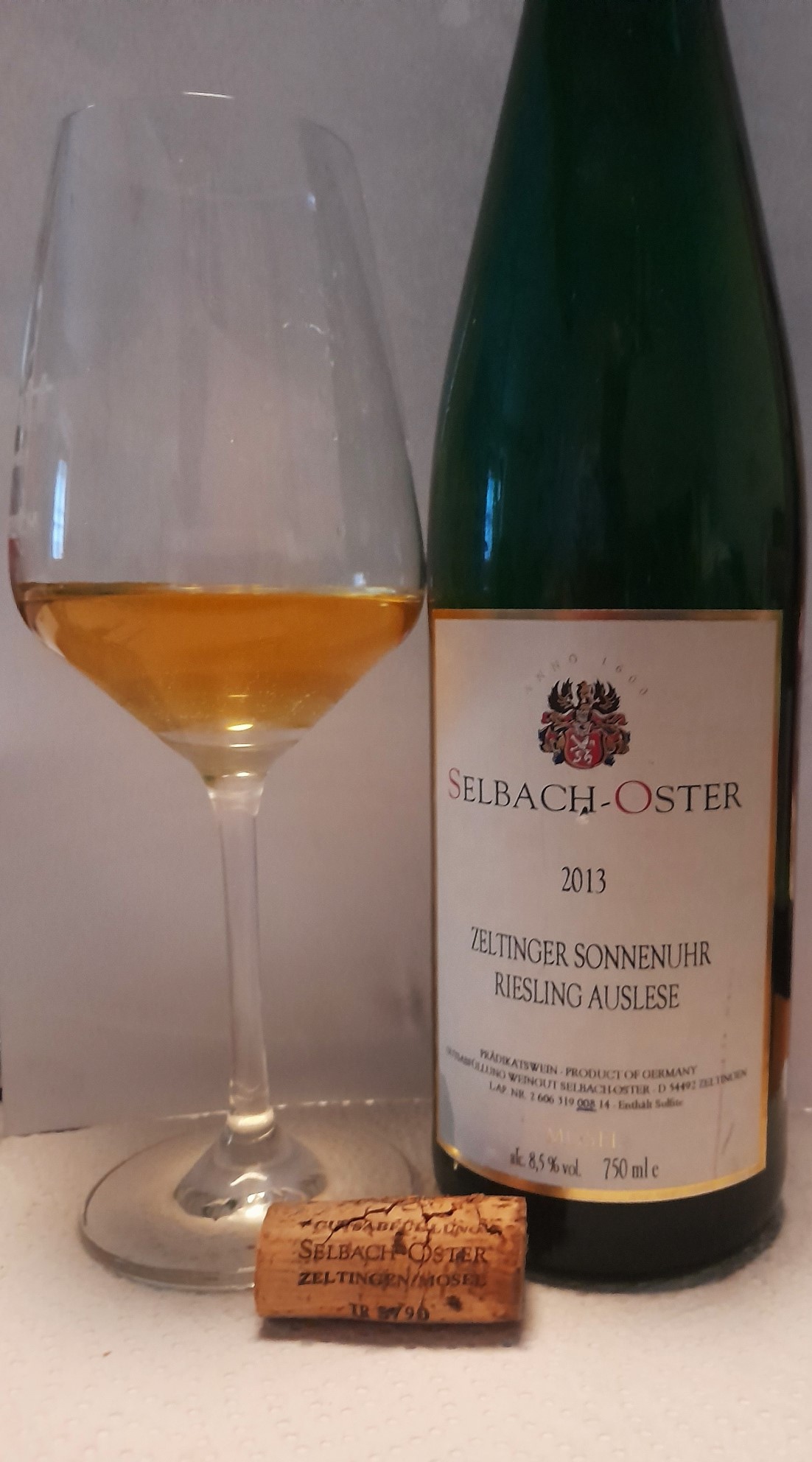
2013 selbach-oster ZS auslese

2013 Selbach-Oster Zeltinger Sonnenuhr Riesling Auslese AP#8 8.5%
Mosel.
Pale gold colour, apple, nectarine, citrus and spices, dried green herbs. Racy, zingy, with a fine talcy texture. Brisk and refreshing, white peach dominant with rampant brown spices adding interest to the palate.

To 2035 and 93 points

Stoney Goose Ridge unleashes the Limbo. How low can you go?

Apart from their obtuse and obnoxious personalities, our competitors have an authoritative talent deficit combined with an unerring capability for making costly mistakes. If their usual lethargy and bureaucracy permit, when they ludicrously over-celebrate an undeserved accidental win, everyone else knows an omnishambles debacle is imminent.

Stoney Goose Ridge’s Hipster’s Reward, our sparkling Petty Nat and Cloudy Hay! lo-fi wines continue to deliver outstanding satisfaction to their target markets.  But there is room for more. After all, why should wine-drinkers seeking the wild roller-coaster ride of skinsy, orange natural wines in their unadorned no-fi state pay more for that privilege to those posing as well-meaning amateurs? There are exceptions to this generalisation but it’s like trying to spot birds in the dark in a country with very few birds.

The keywords for those wines – “funky” (aka faulty), “left-field” (aka faulty), “experimental” (aka faulty) and many, many more – depict defects as virtues.  It’s hard to make naturalistic wines that can withstand the faculties of disinterested, properly trained wine critics – unless like Stoney Goose Ridge you know the basic fundamental principles.

Supporting the excessive lifestyle and pompous bombast of semi-amateur whacko cranks (and companies posing as such) is not part of the Stoney Goose Ridge mission.

How those folk can support their influencer greed without damage to their conscience is a monstrous fraud on wine drinkers. Spouting the buzzwords about eco-inclusion, bio-sustainability, holistic wellness, restorative harmonic practices, handcrafted resonances, niche terroir, neo-organic, creative green well-being and other metaphysical mystic ambiguities are messages for “Danger, Will Robinson!”

So, the Limbo raises the bar to make a monumental statement. It’s as lo-fi as we can abide, minimal handling with token sulphur added at bottling, merely to ensure some shelf life and avoid assorted export labelling shenanigans. It’s sensual with outstanding tactility.

After sampling the Limbo against various market alternatives, focus groups swore they would no longer bother with competitors. They were astonished at its value proposition USP. “We’ll never waste our money on that other crap again” was one unsolicited comment.

The label of Limbo is also strikingly creative. Once more we outsourced the concept to the justly celebrated artiste Binksy, who curated a strikingly post-modern design without being stereotyped, lurid, unimaginative, repulsively offensive, puerile or any combination that are regrettably prevalent.

Further, rather than pitching the price of the wine above its alleged peers, Stoney Goose Ridge takes its usual incisive moral high ground, When I floated this brainwave at our skeletal market and sales experts, they recommended a price of at least $25. I am firmly a hands-on CEO and put my foot down to restructure their proposed pricing positioning principle in extremis. My merciless interventions in matters of grammar, fact, and taste are unparalleled.

I, Hector Lannible, am supremely confident that Stoney Goose Ridge’s wallet-friendly pricing determination of the Limbo will drive competitors to the wall, That’s the natural selection paradigm of capital market competition, and a very fair and reasonable outcome that benefits consumers. Channels not stocking the ultra-high-quality Limbo are covert fellow-travellers egregiously supporting outrageous customer rip-offs. They should be shamed and boycotted.

The 2024 Stoney Goose Ridge Limbo (fields-blend) RRP AUS $14.99 will be available from the usual stockists – hip bars, cafes, restaurants and quality liquor merchants.

One terrific recent dinner

2011 jj prum ws spatlese

2011 JJ Prum Wehelener Sonnenuhr Riesling Spatlese 8.5%
Mosel, AP#28

Unmistakably German. Some reduction, but still shimmering with stonefruit, tropical notes, nettles, lime and flint with residual sugar seamlessly folded into a lightweight and delicious frame, that enfolds the palate. Great maker, and a great site, displayed to advantage.

Drink to 2030, 93 points

1994 Seppelt Show Sparkling Shiraz 13.5%
Great Western, Victoria. St Peters vineyard, (late) disgorged in October 2008, 28g/l residual sugar. Crown seal, and all the better! Notes below are not from tasting “blind’.

Mature but respectable colour, plenty of bubbles; mulberry, blackcurrant, dark cherry earthiness, light mushroom, and brimming with vitality. Its hard to believe there are better examples of this indestructible style around. As a bonus, my notes and score were consistent with my 2019 tasting note.

Drink to 2035, 95 points

2004 dow bomfim

2004 Dows Quinta do Bonfim (VP) 20%
Portugal – and technically a “single quinta”.

Usually, but not always from non-declared years (a decision of the producer- with Quinta do Noval an iconoclast now declaring every year).  Some single quintas are absolutely top wines, such as Grahams Stone Terraces. Usually, the single quinta makes up a large proportion of the declared vintages.

Decent colour for its assumed 20ish-year age; with blueberry, redcurrant, red liquorice, plentiful fruit here, and plentiful chalky tannin. The alcohol and spirit suggest Portugal, but the accessibility of the fruit suggests Oz origins (and I wrongly selected this option). In any event, the single quintas represent compelling VFM with monster enjoyment at an earlier age than the declared VPs can deliver. If only these single quinta were easier to find in Australia!

Drink to 2034, and 92 points

Retasting, with a better result

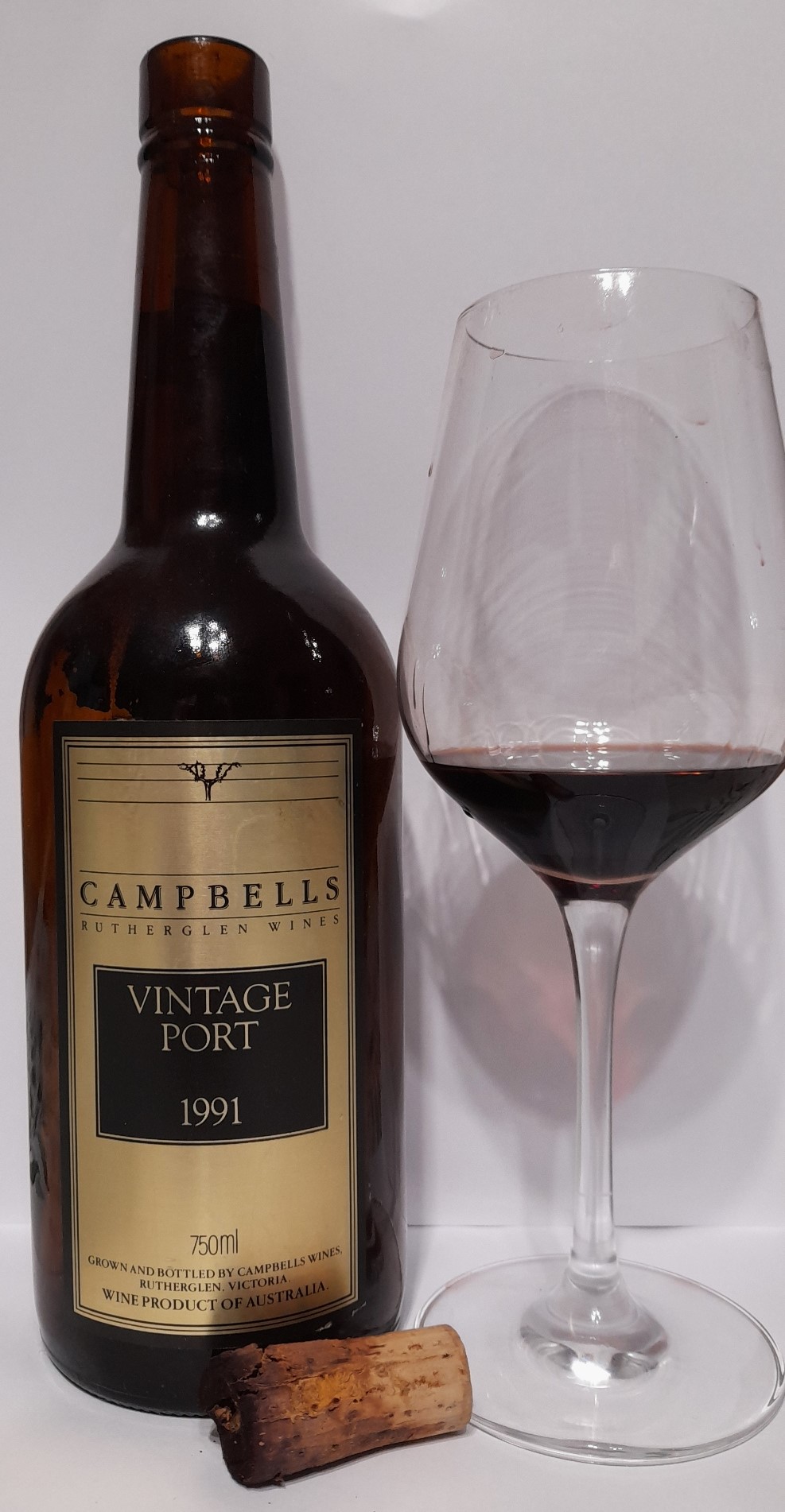
2002 S& K recent

2002 Stanton and Killeen Vintage Fortified 18.1%
Rutherglen, 29% Shiraz, 25% touriga, 20% durif, 12% tinta cao, 12% tinta barocca, 2% tinta roriz

With my recent disappointment from tasting this wine wine in March (from two bottles), I read some enthusiastic notes on the same wine from Roscoe Halligan-Rose (Prince Wine Store). I was bemused. So, I tried one from my own cellar – with dissimilar notes to my original jottings (maybe some storage or cork vagaries) and a much happier result.

The colour was still a deep black/red, but brighter and no bricking. Now cones floral lilac, lavender, blueberry and sour cherry- with abundant spices and some lurking black fruits to add. Whoa – complexity alert.  Fine spirit, savoury (for Oz), fresh,  juicy and supple on the palate with raspberry, boysenberry and dark cherry in the mix. It’s got the verve, balance and finesse to continue for a long time. Not jammy, and super-sensual, while only pedants would ask for a nudge more tannin.

Drink to 2035 with 93 points this time and  what satisfying  difference!

We need to drink more of this style so the besotted winemakers don’t give up hope. (The “current” VP style at Baileys is 2018, Morris 2012 (not listed on their online shop), at Pfeiffer 2015, and of course Stanton and Killeen continue to have older vintages for sale. Its likely to be a similar, baffling tale outside Victoria. Prices are derisory for their amazing VFM enjoyment factor).

The VP style is not just for “after-dinner”, or hard cheeses, I can see a match with a roast, or a similarly rich meat dish. Strong (and sweet)  wines deserve time and attention rather than the often tired, cursory and slightly inebriated comments after a long and excellent dinner with plentiful beverages en route!


Two local, two not

2003 Ch La Tour Blanche 13%
Sauternes.
Deep gold colour; then citrus, minerals, quince, marmalade, apricot and stonefruit. Palate shows all this, plus some frangipani and balanced bitterness. Oak becomes more prominent with time, and a little more acidity would be welcome, but given its age and monster VFM, this was a damn enjoyable drink (and an insane 178 g/l rs).

Drink to 2028; 92 points

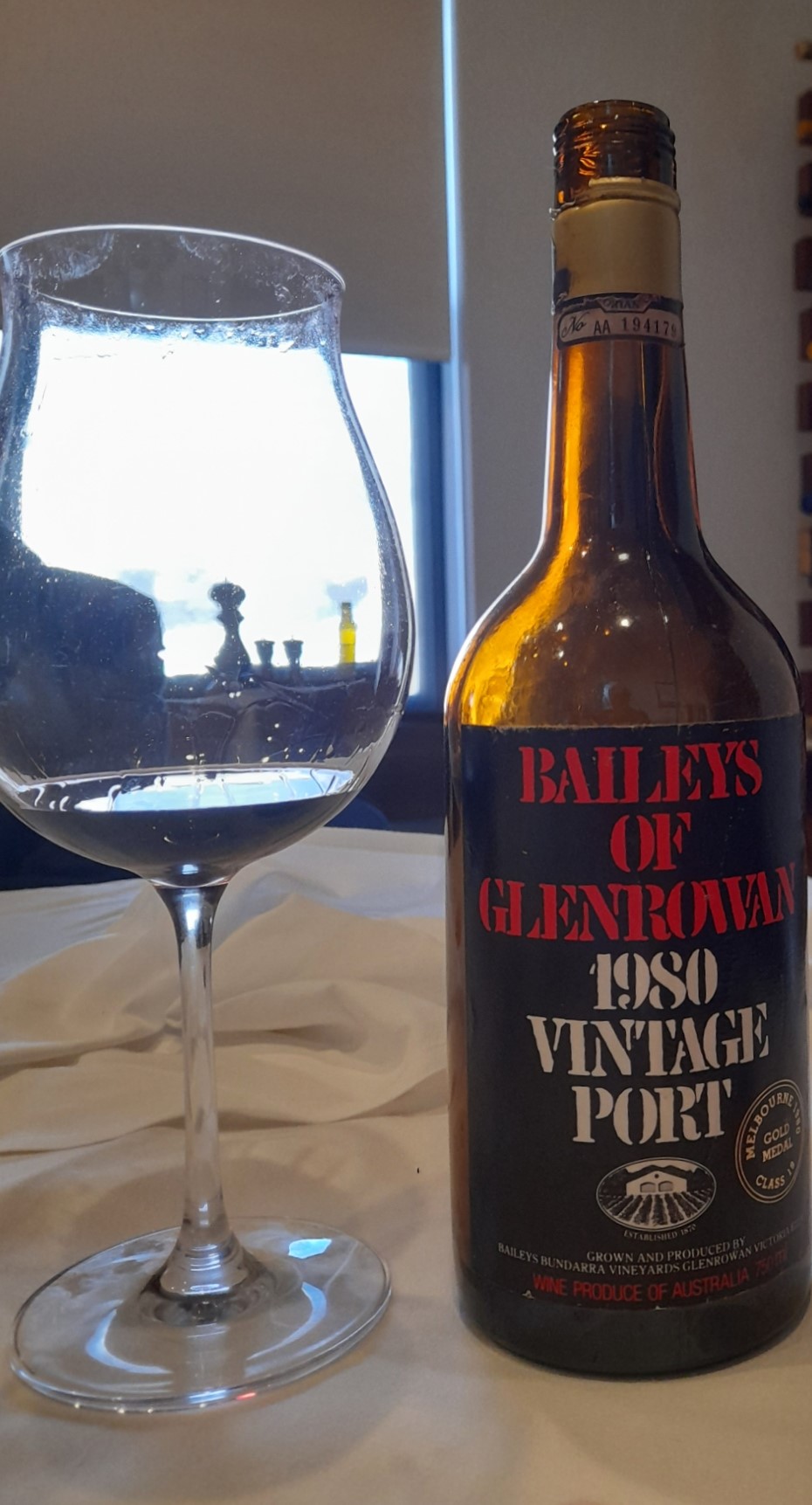
Seppelt Show Vintage Port GR151/153 20%
Barossa/McLaren Vale (tasted blind)
Bricky mature colour; VP style with high for style alcohol. Mellow, mocha, brown spices and nutmeg, liquorice and yet still with crispness and plenty of tannin to hold interest. Reasonably sweet, but lots of savouriness too. Hmm, first thought was Oz, but the ripeness, spirit quality, tannin and alcohol wrongly diverted me to Portugal. I punted on around 1990. The reveal proved it to be 45 years old, and a label covered in bling. Excellent wine (and I was fortunate to taste the slightly better bottle).

Drink to 2030 – 93 points

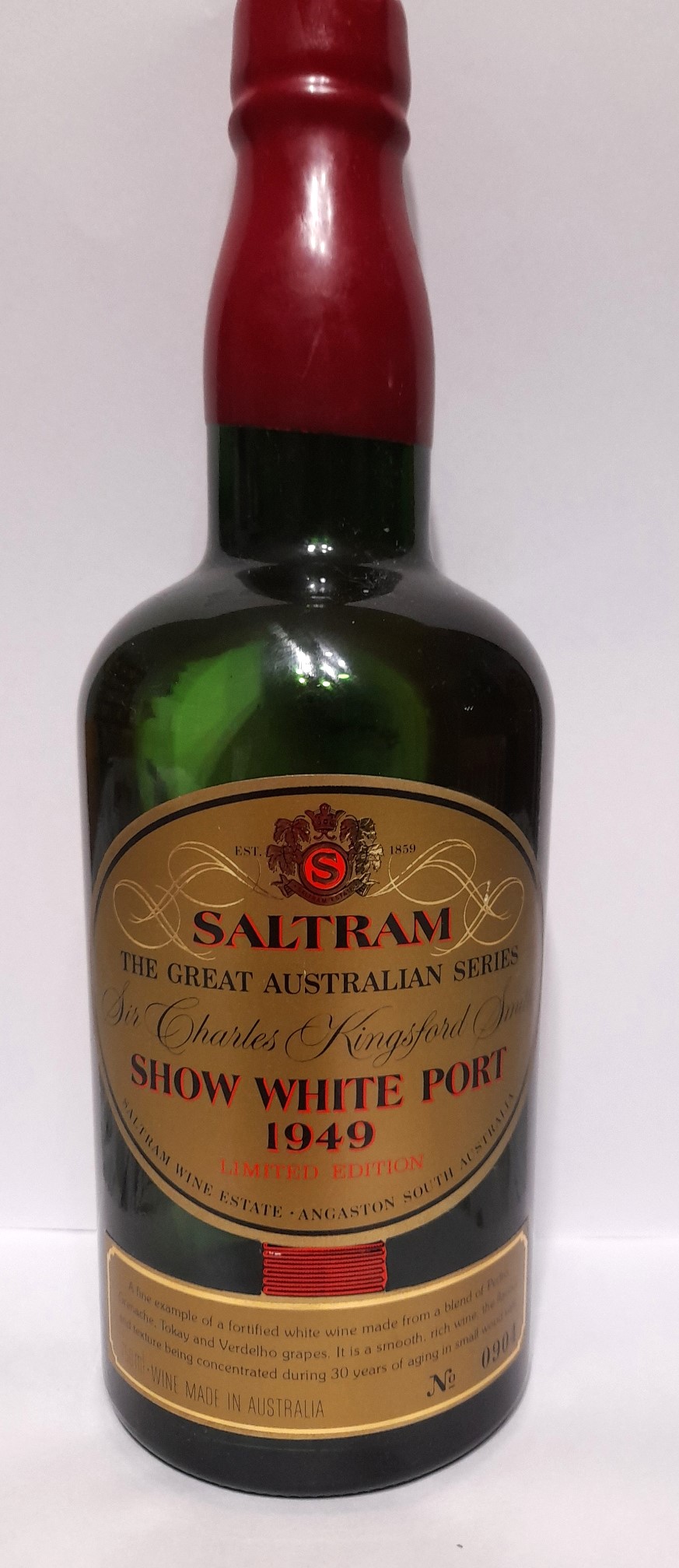
1949 saltram white port

1949 Saltram Show White Port 19.5%
Barossa Valley, Bottle #0934 (tasted blind)
Bricky, lots of raisin, and a spice-bucket with rancio, and plentiful vanilla, so a Tawny style. High quality spirit. My guess was 20 years in oak. The reveal was that this wine spent 30 years in small oak,  released in the 1980s and unusually was a blend of Pedro, Grenache, Takay and Verdelho, so based on white grapes. A curio for sure, The back label contained a lot of information about aviator Sir Charles Kingsford Smith, but further wine detail was scanty (plus the cork was very ordinary).

Drink now, 90 points (more if you like the style)

2000 cockburn canais

2000 Cockburn Quinta dos canais Vintage Port 20%
Portugal, and another producer I can’t recall tasting before (a 1955 tried in 2015 was faulty).

Dense colour, then fig, plum, dark cherry plus voluminous spices. Concentrated, fruit-driven with moderate tannins, blueberry, Sweeter than most Portuguese, but with the power to thrive. Just some “burnt” characters for me that didn’t bother the other tasters one jot. Plenty of time ahead.

Drink to 2035, 92 points

A marvel

1994 q do v

1994 Quinta do Vesuvio 20%
Portugal.
I am confident (but not certain) that I have never had a wine from this producer, (owned by the Symington family since 1989) but how I wish I had. Wow!

When assessing VP styles, I look for balance  – this essentially covers fruit density, tannins and spirit quality. And does it add up to pleasure?

Pretty average cork, but it’s performed its duty. Deep, dense youthful colour. Blueberry, cherry, plum, fig, plus assorted spices, and mealy nuttiness. Vibrant, with powerful fruit-powered drive. Full-bodied and with super balance. Textured, and waves of continuous flavours. Altogether lovely. Now I just hope no-one reads my column, pays attention and bids against me on the secondary market….

Drink to 2040, 96 points

One dinner – four masked wines

2013 sauternes pair

2013 Ch Raymond-lafon 13.5%
Sauternes (from half bottles) 80% semillon, 20% Sauv blanc.

Bright gold colour, showing pineapple rind and guava, vanilla icing, with slight volatility that usually accompanies the style. Pear and orange blossom are evident on the fresh and creamy palate, with some attractive bitterness, and some green herbs. Oak is present but balanced. Unmistakeably Sauternes, and guessed around ten years old. Pretty similar description to that from late last year but a slightly better bottle- but I didn’t pick the producer, alas. Always good VFM.

Drink to 2030, 93 points

2013 Ch Suduiraut “Castelnau de Suduiraut” 13.5%
Sauternes (from half bottles), and the second label of Suduiraut (96% semillon, 4% Sauv Blanc, 148 g/l residual sugar).

Darker gold than the other wine. Certainly, more volatility and floor with more warmth, viscosity, melon, coconutty oak and bitterness. Attractive alpine herbs too.

Under diam, which is another big plus. Another ten y/o Sauternes? Yep. A bit blousy and plain. Others liked it more than me, maybe less critical of the bouquet.

Drink to 2027, 88 points.

2000 vp pair

2000 Stanton and Killeen vintage fortified 17.7%
Rutherglen 38% Touriga, 24% tinta cao, 18% tinta barocca, 14% Shiraz, 6% Durif.

Vintage rated 8/10 by the winemakers.

Morello cherry, redcurrant, wild raspberry fruitcake spices and some almond. VP style for sure. Palate has red and dried fruits, red fruits, milk chocolate and excellent spirit. The wine is fresh, and light on its feet. Sweetish, and around twenty years old, Australian. Touriga makes a contribution – maybe Stanton and Killeen? Very good wine!

Drink to 2035, and 93 points

2000 Dow’s Vintage Port 20%
Portugal

Drier style. Youthful dense colour. Almond, pecan, plum, violets. Power and grace. A complete, fascinating wine with many years ahead. Portuguese, vintage, maybe 2000? Or is it a single quinta?

Drink to 2040, 94 points

The Essential Cookbook – winning recipes for humans

Hector Lannible (ed), SGR publications, hardback, 628 pages RRP (AUS) $29.95.

Reviewed by Ramsay Oliver

Hector Lannible is (obviously) the flamboyant, extroverted CEO of Stoney Goose Ridge wines. Like him or loathe him – as many do – he generates abundant press releases, media appearances, and seemingly comments on anything remotely related to alcohol, and business in general. And the company he fronts brazenly launches new wines every few months and has also unleashed a range of “craft” beers, spirits, cocktails, ciders, spritzers ad infinitum.

With hindsight, the appearance of this cookbook from Stoney Goose Ridge was inevitable. Not aimed at five-star fine dining, it promises all the basics across various cuisines.

The introduction is densely packed with the Hector’s typically convoluted syntax, replete with nuggets of insight. Recipes were “willingly contributed by staff at Stoney Goose Ridge (not AI, remembering Moravec’s Paradox) and road-tested by our hard-to-please marketers. No “ghost-writers” were employed, and all profits – if any- will be donated to charity. Even though we have plenty on our plates and palates, when we spotted a gaping chasm in the culinary landscape, we applied our intellectual muscle to lever it apart. Happily, our HR team is not bloated with inwardly fixated “wokeaholics” and they welcomed this text’s NFP contribution to humankind’s QOL.”

The book opens easily and lies flat; the binding, paper quality, typography and photography are exemplary. The format and layout are excellent; each recipe lists ingredients, preparation and cooking time, steps involved; there are further variations, shortcuts and alternative ingredients listed.

The recipes are cunningly presented with compact lists of ordinary ingredients – not long lists of exotics such as “caramelised seaweed,” “rock-lobster filet” or “braised watermelon” and includes stunning photographs. There is no need for dehydrators, liquid nitrogen or sous-vide. There is no need for complex deboning, or skills only acquired and maintained through relentless practice. The dishes all look delectable. Many recipes include wine as an ingredient- and it’s no real surprise that the recommended but sensible and imaginative  wine matches focus solely on Stoney Goose Ridge’s extensive array of bewildering and fancifully named wines- for example Chamsecco, Hipster’s Reward, Emoh Ruo, Bin 666, Miraculous Maximus Technoplex®,  (and of course their beers – including One Tasty Blonde, Bullant Lager and Brett’s Ale,  spirits- 2 fingers gin, the old wood duck vodka – plus an array of cocktails including the Sonic Screwdriver and Molotov.

There is an excellent, varied selection of recipes that cover finger foods, enticing entrees, mighty mains, decadent desserts, and diversions to kids korner, slurpy soups, awesome accompaniments, budget breakfasts and fancy fast food, even “vegetarian variants”. Recipes are marked where they are gluten-free or vegan-friendly; there is a highly useful index, with links to you-tube help and inevitably- the Stoney Goose Ridge website.

There is a section on “cooking tools you need” covering pots, knives, and so forth; and pantry essentials with even pages on suggested recipe sets for family feasts, dinner party ideas and “date nights.” Plus, a guide on what to do with leftovers, and presentation tips.

Recipes include helpful hints, and “cheat suggestions” which may involve substitutions or use of packet, or tinned ingredients.

There is even a recipe for Wombat stew. I expected a variant of the clichéd cockatoo soup (take cockatoo and a stone, simmer for 3 hours, throw away cockatoo, season to taste, enjoy!) but this was more subtle “select your wombat, leave it alone” and follows with a complete recipe featuring “mock wombat” with an optional ingredient of “seedless passionfruit”. Someone at Stoney Goose Ridge has a sense of humour (unlikely to be Hector).

Overall, it’s an ultra-high-class version of a school or community cookbook. I have cross-checked many of their recipes and they haven’t been “homaged” from the internet, or “liberated” from the oeuvre of well-known chefs or textbooks – they seem genuine. One can certainly quibble – how many recipes for Schnitzel does the world need? Even though this actual recipe lists chicken, veal, or pork, includes steps on breadcrumb (and other coatings), and techniques with variations that cover shallow and deep frying and a vegetarian alternative.

I essayed four different dishes- they all worked splendidly; instructions were clear, preparation and cooking times were accurate, and the results were surprisingly edible, and looked similar to the photos.

And embedded in recipes are some sidenotes with arresting titles such as “why do restaurants use so much salt?” with the answer “many chefs’ tastebuds are dulled by repetitive tastings of dishes- they find it easier to revive their jaded senses by adding more salt instead of trusting the quality of the base ingredients. Further, countless chefs are smokers, addicted to sensory overload.” Another note on organic, biodynamic, and natural stresses ingredient quality rather than reliance on the alleged virtues of “hands-off” and misleading labels including artisanal, organical and biogeneric. There’s passion in these outbursts.

As a professional, I could quibble about the relative balance  of recipes – plenty about getting basics right- rice, potato, various breads and not enough about varied curries plus the editor is clearly not a fan of sauce toppings “often used to make the dish look special and to further heat the ingredients below, seldom adding any magical improvement”.

So why am I uneasy?

Perhaps it’s the ubiquity of Stoney Goose Ridge; wine, beer, spirits and now books. Are they trying to be Apple, Amazon, or Google? Is it the relentless personality cult surrounding Hector Lannible, his bizarre but arrestingly memorable phrases and ceaseless self-promotion? Or am I secretly jealous of his company’s rapid rise to stardom; their lucrative export successes or frustrated by Hector’s semi-articulate ramblings.

Is it that regardless of the thousands of specialised and general cookbooks, and despite its hyped claims of “making cooking, affordable, simple and delicious” a book like this truly didn’t exist? And further, it emerged from the unlikely left-field global tentacles of Stoney Goose Ridge?

Grudgingly, I’ll admit the book (over)achieves all its aims and will be an incredibly useful, inexpensive addition- and replacement- to the cooking libraries of countless households. For many, it will be their first, last and indispensable guide- it’s a lot more than cooking 101. And its price redefines value.

I expect that this volume will sell like hot cakes; not merely because it will be displayed prominently and unavoidably – I just wish that this endeavour was produced by a real, live individual rather than the impersonal corporate clutches of Stoney Goose Ridge; but they have actually provided a terrific, surprising, inspirational work. Hats off!

Ramsay Oliver is internationally renowned for his numerous books, TV shows, and worldwide inspirational culinary influence.

One local, one German, and another loss

2002 S&K vp

2002 Stanton and Killeen Vintage Fortified 18.1%
29% Shiraz, 25% touriga, 20% durif, 12% tinta cao, 12% tinta barocca, 2% tinta roriz

Deep black/red colour with some bricking. Mocha, spices, creaminess, excellent spirit integration, and dark blackberry. Palate is packed with liquorice and aniseed, and fruitcake spices. Vintage port style, but It was certainly sweeter than Portuguese models. I suspected touriga inputs alongside Shiraz, and age around 25 years. Stanton and Killeen rate the vintage as very good with an 8/10 rating.

After the wine was unmasked, I was disappointed that marque’s usual depth, complexity, suppleness, savoury bite and drinking pleasure was less than expected. A sound wine, but lacking the expected thrills.

Drink to 2030, 91 points

2007 haart auslese

2007 Reinhold Haart Wintricher Ohligsberg riesling Auslese 7.5%
Mosel, AP#16 and 127 g/l rs.

Gold colour; plentiful spices, red apple, white peach, and passionfruit; palate is fresh and lush, creamy plus some mineral and light smoke with that classy balance between its high sugar (for an auslese) and acidity that avoids cloying and leaves one begging for more. A delight.

Drink to 2030, 94 points (and thankfully still similar to my notes from Jan 2017)

I was saddened to learn of the recent death of Willi Schaefer. I love these Mosel wines – pure and unforced. I had a terrific visit to the dining room in the house in 2007. We were welcomed, despite our sketchy knowledge of the wines and our inability to purchase more than a token bottle or two. An unhurried and extensive tasting, with plentiful knowledge transfer which provided the determination to purchase and cellar their wines. I will drink my stock with pleasure and treasure my memories.